← Back Interactive Circle of Fifths: Learn Key Signatures and Scales
The circle of fourths is actually just an overcomplication of the circle of fifths and only useful if you haven’t mastered the keyboard (Affiliate-Link) Ne, keine PC-Tastatur... schau rein bei Amazon! ¹ backward…
See also: The Circle of Fifths
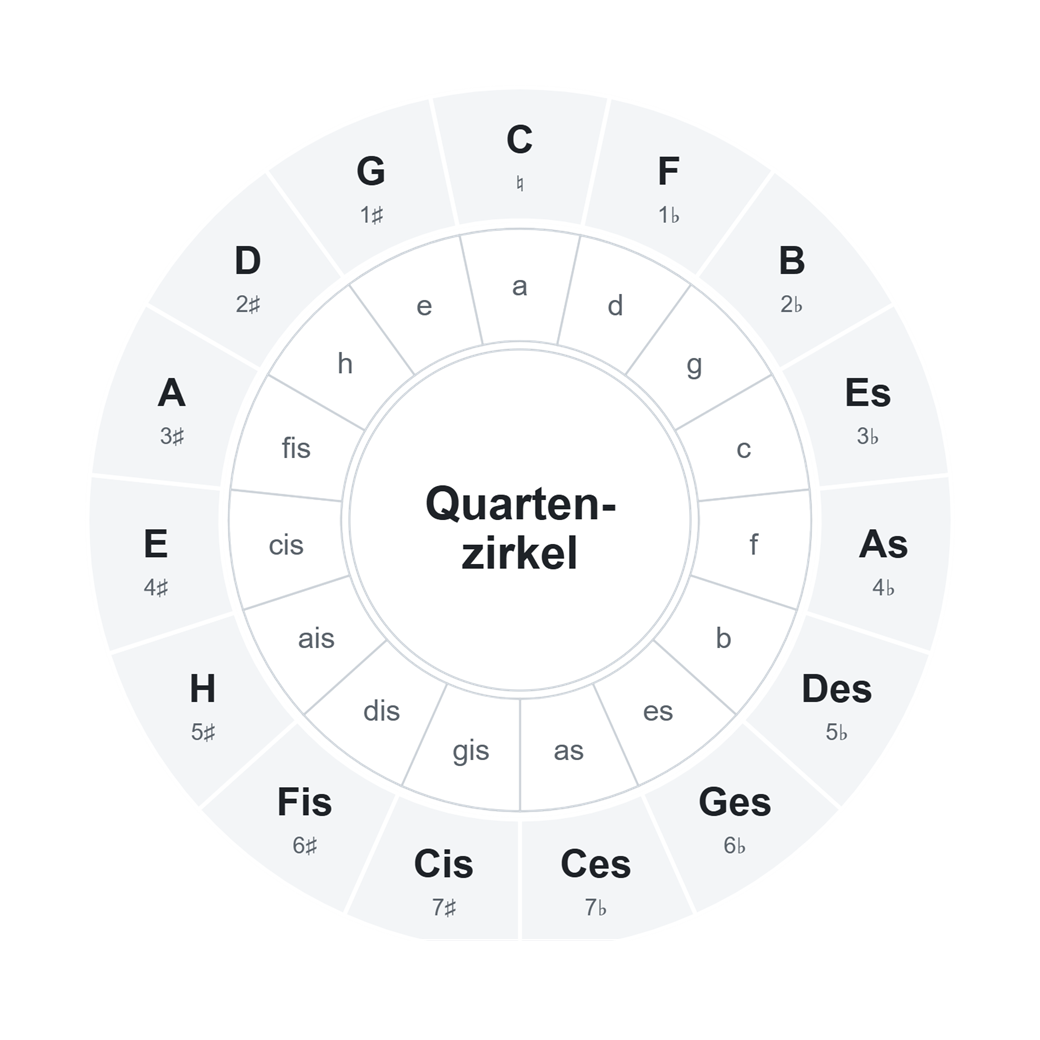
The circle of fourths displays all major and minor keys clockwise, ordered by fourths:
C major (A minor): no accidentals F major (D minor): 1 ♭ (Bb) Bb major (G minor): 2 ♭ (Bb, Eb) Eb major (C minor): 3 ♭ (Bb, Eb, Ab) Ab major (F minor): 4 ♭ (Bb, Eb, Ab, Db) Db major (Bb minor): 5 ♭ (Bb, Eb, Ab, Db, Gb) Gb major (Eb minor): 6 ♭ (Bb, Eb, Ab, Db, Gb, Cb) Cb major (Ab minor): 7 ♭ C# major (G# minor): 7 ♯ F# major (D# minor): 6 ♯ (F#, C#, G#, D#, A#, E#) B major (A# minor): 5 ♯ (F#, C#, G#, D#, A#) E major (C# minor): 4 ♯ (F#, C#, G#, D#) A major (F# minor): 3 ♯ (F#, C#, G#) D major (B minor): 2 ♯ (F#, C#) G major (E minor): 1 ♯ (F#) Every major key has a relative minor key with the same key signature.
Circle of Fourths Erklärung zu Werbelinks ¹ Affiliate-Links: Bei einem Kauf über diese Links erhalte ich eine kleine Provision – für dich entstehen keine Mehrkosten. Als Amazon-Partner verdiene ich an qualifizierten Verkäufen.
More chapters in “Understanding Musical Scales: Intervals, Root Notes, and Half Steps” Interactive Circle of Fifths: Learn Key Signatures and Scales A major or minor scale always consists of 8 notes with different intervals to the next note. The…
Why the Circle of Fourths Is Just an Overcomplicated Circle of Fifths The circle of fourths is actually just an overcomplication of the circle of fifths and only useful if…
C major: Key Signature, Scale and Chords
G major: Key Signature, Scale and Chords
D major: Key Signature, Scale and Chords
A major: Key Signature, Scale and Chords
E major: Key Signature, Scale and Chords
B major: Key Signature, Scale and Chords
F# major: Key Signature, Scale and Chords
C# major: Key Signature, Scale and Chords
F major: Key Signature, Scale and Chords
Bb major: Key Signature, Scale and Chords
Eb major: Key Signature, Scale and Chords
Ab major: Key Signature, Scale and Chords
Db major: Key Signature, Scale and Chords
Gb major: Key Signature, Scale and Chords
Cb major: Key Signature, Scale and Chords
A minor: Key Signature, Scale and Chords
E minor: Key Signature, Scale and Chords
B minor: Key Signature, Scale and Chords
F# minor: Key Signature, Scale and Chords
C# minor: Key Signature, Scale and Chords
G# minor: Key Signature, Scale and Chords
D# minor: Key Signature, Scale and Chords
A# minor: Key Signature, Scale and Chords
D minor: Key Signature, Scale and Chords
G minor: Key Signature, Scale and Chords
C minor: Key Signature, Scale and Chords
F minor: Key Signature, Scale and Chords
Bb minor: Key Signature, Scale and Chords
Eb minor: Key Signature, Scale and Chords
Ab minor: Key Signature, Scale and Chords Show more ↓ ← Back Interactive Circle of Fifths: Learn Key Signatures and Scales Free Online Exercises Interactive carousel with 4 music theory exercises. Use the arrow keys or swipe to move between the exercises.
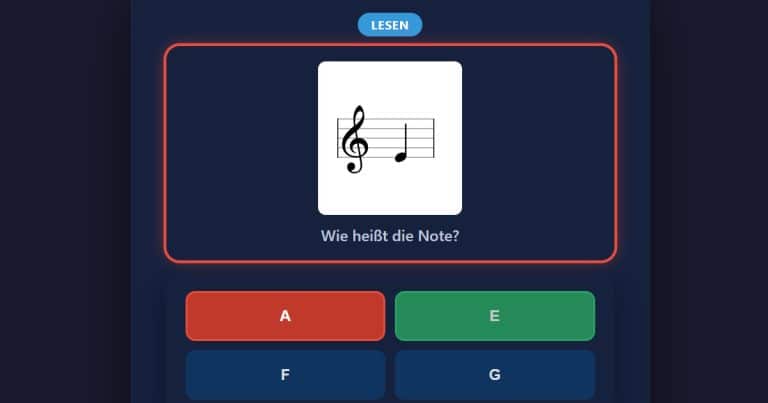
Practice quickly identifying notes on the staff. Perfect for preparing for music exams.
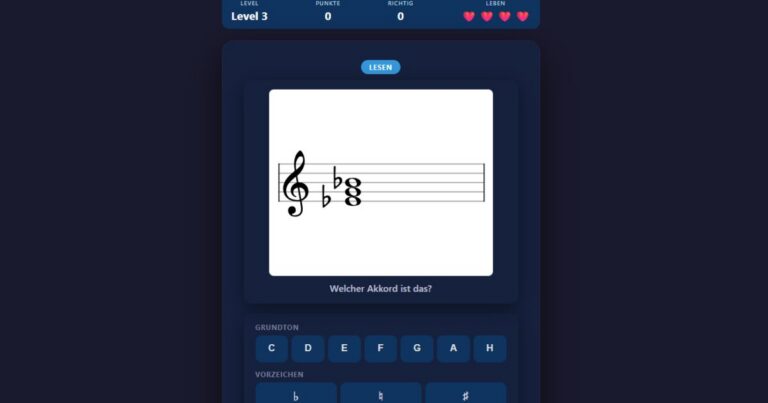
Identify chords and triads in sheet music and strengthen your understanding of harmony.
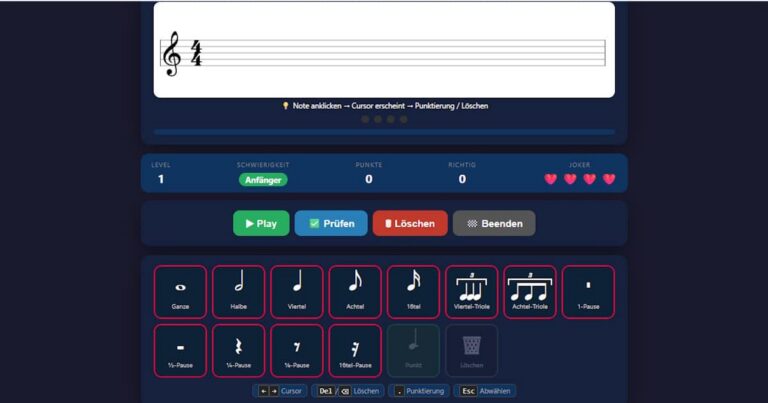
Practice identifying and notating rhythms. Perfect for preparing for your music exams.
Practice identifying and notating intervals with confidence, from seconds to octaves.
← → Exercise 1 Exercise 2 Exercise 3 Exercise 4